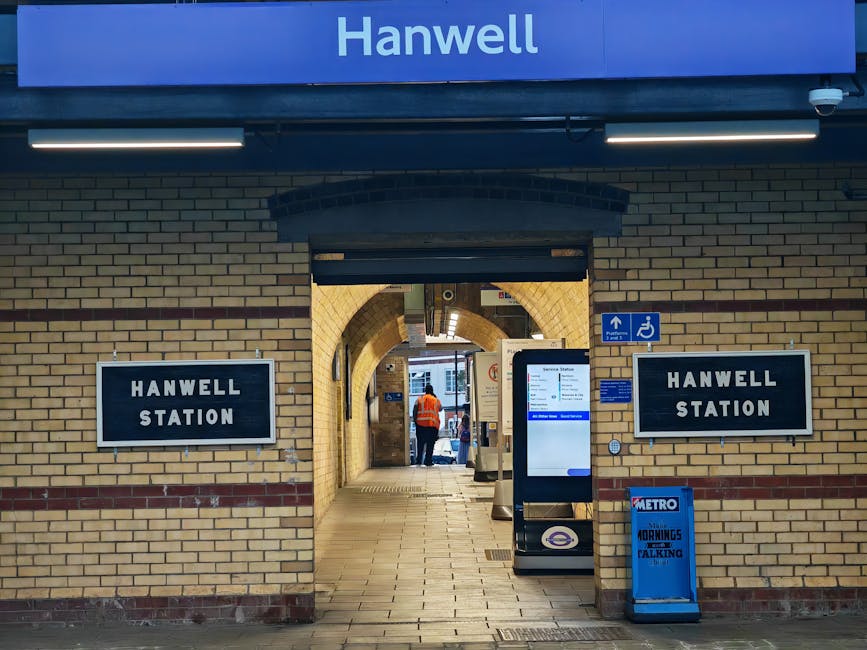
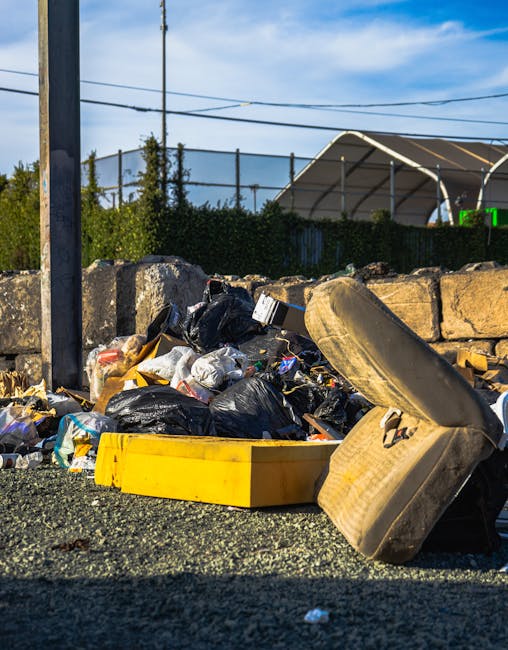
Southfields rubbish clearance for Southfields station locals: a practical guide for quick, tidy, local waste removal
If you live or work near Southfields Station, rubbish has a habit of building up at the worst possible time. A flat clear-out before a move, a pile of old furniture after a weekend overhaul, or the messy aftermath of a small renovation can suddenly make a familiar home feel cramped and chaotic. Southfields rubbish clearance for Southfields station locals is about getting that clutter out of the way quickly, safely, and without turning your day into a faff. Done well, it saves time, reduces stress, and keeps shared streets, narrow front gardens, and busy access routes workable for everyone.
This guide breaks down how local rubbish clearance works, when it makes sense, what to watch out for, and how to choose the most practical option for your situation. You will also find a checklist, a comparison table, and a few real-world examples from the kind of jobs people around Southfields ask for every week. Nothing flashy. Just the useful stuff.
Contents
- Why Southfields rubbish clearance for Southfields station locals Matters
- How Southfields rubbish clearance for Southfields station locals Works
- Key Benefits and Practical Advantages
- Who This Is For and When It Makes Sense
- Step-by-Step Guidance
- Expert Tips for Better Results
- Common Mistakes to Avoid
- Tools, Resources and Recommendations
- Law, Compliance, Standards, or Best Practice
- Options, Methods, or Comparison Table
- Case Study or Real-World Example
- Practical Checklist
- Conclusion
- Frequently Asked Questions
Why Southfields rubbish clearance for Southfields station locals Matters
Southfields has a rhythm of its own. Commuters moving through the station, families balancing school runs, busy high-street life, and the constant flow of flats, terraces, and small businesses all mean rubbish clearance needs to be efficient, not disruptive. If you have ever tried to shift a broken wardrobe down a tight staircase at 7.30am, you already know the problem.
Rubbish clearance matters here because local properties often have limited storage, restricted access, shared entrances, or parking that disappears fast. Even small jobs can become awkward if you leave them too long. Bags stack up. Cardboard boxes multiply. That old sofa somehow becomes part of the furniture. Let's face it, clutter has a sneaky way of taking over.
Professional clearance helps keep the process controlled. Instead of making repeated trips to a recycling site, hiring a van, or trying to coordinate neighbours and lifts, you get one organised collection. For many residents, that means less time lugging heavy items and more time getting on with actual life. If you want to understand the broader approach to collections and disposal, the service overview on rubbish removal is a useful starting point.
It also matters for presentation and safety. A cleared hallway, garden path, or front drive is easier to walk through, easier to clean, and less likely to attract pests or create trip hazards. In a busy local area, that really does count.
How Southfields rubbish clearance for Southfields station locals Works
The basic idea is simple: you identify what needs to go, choose the most suitable collection method, arrange a time, and have the waste removed by a licensed team. The detail, though, is where people can save themselves a lot of hassle.
For domestic clearances, the most common route is a straightforward load-up and removal service, especially if you have mixed household items. If you are planning a bigger home project, browsing domestic skip hire can help you compare whether a skip or a collection team suits your space better. For lighter loads or quick turnaround jobs, a van-based collection may be more practical. If you are dealing with a one-off clear-out, a man and van style service can work well because it is flexible and often easier in tighter streets.
There is also the wait-and-load approach. That means waste is loaded onto the vehicle while the crew waits, rather than leaving a skip on the street or outside your property. Around station roads where parking is awkward or space is limited, this can be a very tidy solution. You can read more about wait and load skip hire if your main issue is access rather than volume.
For heavier or awkward waste, such as mixed renovation debris, soil, hardcore, or bulky furniture, specialist collection methods may be more efficient. If the job is moving loose rubble or heavy material from a hard-to-reach spot, grab hire services can sometimes be a better fit than a standard collection. If the waste is unusually bulky or sensitive, an enclosed or lockable container may be worth considering too.
Behind the scenes, the important bit is sorting. Reputable operators separate recyclable material where possible, and they will handle waste in line with UK waste duty expectations. That part is not exciting, but it is the bit that keeps a job legitimate and responsible.
Key Benefits and Practical Advantages
There are plenty of reasons Southfields residents choose a rubbish clearance service instead of trying to do everything themselves. The biggest one is obvious: it saves time. But the practical advantages go further than that.
- Less lifting and carrying: heavy furniture, broken appliances, and bagged waste are handled for you.
- Better for tight access: station-area streets and shared entrances can make self-managed disposal awkward.
- Cleaner finish: the job is removed in one go, rather than lingering for days or weeks.
- More flexibility: you can often book around work hours, school runs, or weekend plans.
- Better sorting: recyclable material can be separated more efficiently than a mixed household pile left in the corner.
- Reduced stress: no need to hire a van, queue at a tip, or co-ordinate multiple disposal runs.
Another practical benefit is that rubbish clearance can be tailored. A loft cleared of old boxes is not the same as a builder's rubble pile, and a fridge removal is not the same as a garden tidy-up. Good providers adjust the method to the waste type. If you are clearing outdoor waste, for example, garden waste removal is often a neater route than mixing green waste into a general load.
And yes, it can improve the feel of a property almost immediately. A room looks bigger after a clear-out. A hallway feels calmer. It sounds small, but it changes how a home or workspace functions day to day.
Who This Is For and When It Makes Sense
This kind of service suits a wide range of Southfields station locals. In practice, it is often the people with the least spare time who benefit most.
It makes sense if you are:
- moving home and need old items cleared fast
- renovating a flat, kitchen, bathroom, or loft
- dealing with a post-tenancy clear-out
- emptying a garage, loft, or spare room
- refreshing a garden or outdoor storage area
- removing bulky items that will not fit in normal bins
- sorting out office clutter or commercial waste
For landlords, agents, and small business owners, a dependable clearance option can be the difference between a fast turnaround and a delayed handover. Office stock, old desks, packaging, or paperwork can accumulate quietly, then suddenly become urgent. If that sounds familiar, take a look at office clearance and commercial skip hire for more formal, ongoing needs.
For homeowners, the best moment to book is usually before the mess becomes unmanageable. That one pile in the dining room? It tends to grow legs. Truth be told, the earlier you organise it, the cheaper and less awkward it usually is to deal with.
Step-by-Step Guidance
If you want to make the process smooth, a little planning goes a long way. Here is the simplest way to approach it.
- Sort the waste by type. Separate general rubbish, bulky furniture, garden waste, electrical items, and anything that may be restricted or hazardous.
- Measure access. Check gates, stairwells, parking space, and whether items need to be carried through the property.
- Identify anything special. Fridges, mattresses, sofas, confidential paperwork, and certain electrical or chemical items often need separate handling.
- Decide on the removal method. A skip may suit renovation waste, while a direct collection might be better for mixed household items.
- Check whether a permit may be needed. If a container needs to go on the public highway, a permit issue can come into play. The details are usually situation-specific, so it is worth reading about skip hire permits and skip permits before you commit.
- Confirm what can and cannot go in. This is one of the easiest ways to avoid delays. The guide on what can go in a skip is helpful even if you are not hiring a skip, because the same waste categories often apply.
- Book the most practical slot. If you live near the station, earlier or quieter time windows can reduce disruption.
- Prepare the area. Move cars, unlock gates, clear a route, and make sure the crew can access everything easily.
- Confirm payment and paperwork. Reputable providers should be clear on pricing, terms, and what happens if the load changes.
A simple example: if you are clearing a one-bedroom flat after a move, it may be faster to use a van collection for the furniture and bagged waste, then book a second service for anything specific like an old appliance. That sounds slightly less neat on paper, but in real life it can save both time and money.
Expert Tips for Better Results
After enough clearances, a few patterns become obvious. The jobs that go smoothly usually have three things in common: clear sorting, good access, and realistic expectations.
1. Keep recyclable items separate where possible.
Cardboard, clean wood, metal, green waste, and certain hard plastics are often easier to handle when they are not buried under mixed rubbish. It helps the recycling process and can make the collection more efficient.
2. Think about where the waste starts.
If your rubbish is on the third floor and access is narrow, that changes the time and method needed. Mentioning this at the quote stage avoids awkward surprises later. Nobody likes discovering a chest of drawers has to travel down two tight landings at the last minute.
3. Be realistic about bulky items.
That sofa may look harmless until it meets the staircase. Measure doorways and turns before collection day if you can. For larger items, specialist services like mattress and sofa disposal and fridge and appliance removal can make life much easier.
4. Use the right service for confidential or sensitive materials.
Paper trails, old client files, and household documents should not just be dumped into general waste. If you are clearing business paperwork, confidential shredding is the more sensible route.
5. Check the provider's waste approach.
Recycling, insurance, and safe handling should not be vague extras. They are part of the service. You should be able to see clear details on recycling and sustainability, plus the practical safeguards explained on insurance and safety.
A little planning really does go far. It is not glamorous, but it works.
Common Mistakes to Avoid
Most clearance problems come from rushing the prep or assuming every waste pile can be treated the same way. A few avoidable mistakes pop up again and again.
- Mixing hazardous waste with general rubbish. Paints, solvents, chemicals, batteries, and some electrical items may need special handling. If in doubt, use hazardous waste disposal.
- Underestimating volume. A pile that looks "small enough" in the hallway can turn into a much larger load once it is bagged and stacked.
- Ignoring access issues. Narrow lanes, loading restrictions, and station-adjacent parking can affect the plan quite a bit.
- Choosing speed over fit. The fastest option is not always the right one. Sometimes a slightly slower method is cleaner, cheaper, and less disruptive.
- Leaving everything until the last day. This is especially common before a move or end-of-tenancy handover. It rarely ends well.
- Not reading the terms. Weight limits, prohibited items, missed-collection policies, and access rules can all matter. The small print is boring, yes, but it saves headaches.
One more thing: if you are unsure whether a skip, van collection, or grab lorry is best, ask before booking. It is a simple question, and usually the most useful one. Better to sound cautious than to discover the wrong vehicle cannot get close enough to your property.
Tools, Resources and Recommendations
You do not need special equipment for most clearance jobs, but a few practical tools make the process much easier.
- Heavy-duty bin bags or rubble sacks for loose waste and general sorting
- Labels or marker pens to separate keep, donate, recycle, and remove piles
- Tape measure for checking bulky furniture against doorways and stair turns
- Gloves and sturdy footwear for safe handling during prep
- Phone camera to photograph the load or access points if you are getting quotes
- A simple inventory if the job includes mixed items, appliances, or confidential material
For pricing questions, the most helpful pages are usually skip sizes and prices and pricing and quotes, because they give you a clearer sense of how load size, access, and service type may affect the final figure. If you prefer to book directly, the online route is available through book online.
And if you are choosing between a skip and a collection team, the most useful question is not "which is cheapest?" but "which is least awkward for this property?" In Southfields, that question often answers itself.
Law, Compliance, Standards, or Best Practice
Waste removal in the UK is not just about getting rid of clutter. It also involves proper handling, safe disposal, and responsible sorting. That does not mean every household job needs a legal lecture. It does mean you should use a provider that treats waste seriously.
Good practice usually includes:
- keeping hazardous and non-hazardous waste separate where possible
- making sure collections are carried out safely, with appropriate handling equipment
- using licensed disposal routes and recycling channels
- being clear about what cannot be taken in a standard load
- protecting customer property during loading and removal
If you need a container on the road, permits may be part of the picture. It is sensible to check skip hire permits and the related permit information before booking. Also, if the project involves construction or demolition debris, different expectations may apply. The pages for builders waste removal, construction waste disposal, and demolition waste removal are useful reference points.
Best practice is really just common sense with a bit of discipline. Be honest about the waste. Be careful with access. And choose a provider that can explain how the job will be handled without dancing around the details.
Options, Methods, or Comparison Table
There is no single best way to clear rubbish near Southfields Station. It depends on volume, access, waste type, and how quickly you need the space back. The table below gives a straightforward comparison.
| Method | Best for | Strengths | Things to watch |
|---|---|---|---|
| Rubbish removal by collection team | Mixed household waste, furniture, general clear-outs | Fast, flexible, good for awkward access | May not suit very large volumes |
| Skip hire | Renovation waste, ongoing projects, bigger loads | Useful for extended work, tidy on-site storage | May need permit and clear placement |
| Wait and load | Tight streets, no space for a skip | No skip left outside, often convenient for busy roads | Needs the waste ready on time |
| Grab lorry | Heavier mixed waste, soil, rubble, loose material | Efficient for bulky or heavy loads | Needs access for the vehicle arm |
| Man and van | Single-room clearances, smaller domestic jobs | Personal, adaptable, handy for flats | Less suitable for large builder's loads |
If you are still undecided, think about what is actually causing the problem. Space? Weight? Time? Access? The right method is usually the one that removes the friction, not just the rubbish.
Case Study or Real-World Example
Here is a typical local scenario. A couple living a short walk from Southfields Station decide to refresh their flat before a move. Over a few weekends, they gather old shelves, a broken bedside table, a mattress, several bags of household clutter, and a stack of flattened boxes from recent deliveries. By Sunday evening, the spare room looks more like a storage depot than a room. You know the type.
At first, they think they can do it with a few car trips. Then they remember the parking restrictions, the awkward stairwell, and the fact that the mattress will not exactly fold itself. So they choose a collection service instead. The bulky items go first, then the bagged waste, and finally a few pieces that need separate handling. The whole job is done in one appointment, and the flat feels breathable again by late afternoon.
What made the difference was not just removal. It was planning. They checked access, separated the fragile bits, and avoided chucking everything into one giant pile. Simple stuff, but it worked.
That is the real pattern with Southfields rubbish clearance for Southfields station locals: when the property is compact and the schedule is tight, a little structure saves a lot of grief.
Practical Checklist
Use this checklist before collection day. It keeps the job tidy and avoids unnecessary delays.
- Sort items into general waste, bulky waste, recycling, and specialist items
- Remove anything you want to keep before the team arrives
- Measure large furniture if it needs to pass through narrow spaces
- Check access to the property, gate codes, and parking arrangements
- Separate hazardous, confidential, or restricted items
- Confirm whether a permit may be needed for roadside placement
- Decide whether a skip, wait-and-load, or van collection is the best fit
- Make sure paths, stairs, and entrances are clear and safe
- Ask about recycling, insurance, and payment terms
- Keep your booking confirmation and any notes in one place
If you are clearing a loft, garage, or box room, do one final sweep before the crew arrives. It is amazing how often a useful item turns up just after you have moved the pile to the hallway. Annoying, but normal.
Get a free quote today and see how much you can save.
Conclusion
Southfields rubbish clearance for Southfields station locals is not just about removing waste. It is about making a busy local life feel easier to manage. Whether you are clearing one bulky item, a packed flat, a garden pile, or the leftovers from a renovation, the best solution is the one that fits your access, timing, and waste type without creating more problems than it solves.
If you take anything from this guide, let it be this: sort early, be realistic about access, and choose the method that suits the job rather than the one that sounds simplest in the moment. That little bit of care often saves the biggest headache.
And once the clutter is gone, the space feels different. Quieter. Cleaner. More yours. That is worth getting right.
Frequently Asked Questions
What is the best rubbish clearance option for a flat near Southfields Station?
For many flats, a collection service or man and van option is easier than a skip because access is often tighter and parking can be limited. If the load is larger or part of a longer project, a skip may still make sense.
Do I need a permit for rubbish clearance?
Not always. Permits mainly become relevant if a skip or container needs to sit on a public road. If the waste can be collected without placing anything on the highway, you may not need one.
Can old furniture be taken with general rubbish?
Usually yes, but bulky furniture is often handled separately for efficiency. Sofas, beds, wardrobes, and mattresses are common examples of items that may need a specific disposal plan.
What should I do with a fridge or freezer?
Appliances are best handled through a dedicated appliance removal service because they can contain components that need careful disposal. Do not just leave them with mixed waste unless the provider has confirmed it is acceptable.
Is wait and load suitable for Southfields station locals?
Yes, especially where parking is awkward or there is no space for a skip. It works well if your waste is ready to go and can be loaded quickly.
How do I know whether I need skip hire or rubbish removal?
Think about access, volume, and timing. Skip hire is often good for ongoing projects and larger volumes. Rubbish removal is usually better for one-off clear-outs, mixed items, and properties with difficult access.
Can I put everything in one load?
Not necessarily. Hazardous materials, certain electrical items, and confidential waste may need separate handling. It is always best to check before mixing things together.
What happens to the waste after collection?
Reputable providers sort and divert waste into appropriate recycling or disposal routes where possible. Mixed loads are generally separated further after collection, depending on the material.
How quickly can rubbish be cleared?
That depends on the load size, access, and booking availability. Small domestic jobs can often be arranged quickly, while larger or more complex clearances may need a bit more planning.
Is it safe to clear rubbish myself?
For small, light items, yes, but heavy furniture, sharp waste, and awkward staircases increase the risk of injury. If the job involves lifting, squeezing through tight gaps, or handling questionable materials, professional help is usually the safer choice.
Can I get help with a house clearance as well?
Absolutely. If the job is bigger than a simple rubbish pickup, house clearance can be a better fit because it is built for fuller property clear-outs rather than just loose waste.
What should I ask before booking a clearance service?
Ask what waste types are accepted, whether access affects the price, whether permits might be needed, and how recycling is handled. A good provider should answer those questions clearly, without making it feel like pulling teeth.
Where can I learn more about the company and its approach?
You can read more about the team and service values on about us, then review the practical details on payment and security and health and safety policy if you want extra reassurance before booking.